Time for Provincial Status

Faisalabad Division, with a population of about 16.2 million (2023 Census) and an area of around 17,917 km², is larger than over 110 countries worldwide, including several small and medium-sized nations in Europe, Africa, and Oceania in terms of population. Despite being Pakistan’s leading industrial hub (textiles and manufacturing), it faces strong development pressure. Around 40–45% of children are out of school, poverty is estimated at 22–26%, and about 75,000+ crime cases are registered annually, reflecting rising socio-economic stress. Healthcare, water, sanitation, and rural road infrastructure remain uneven, with services concentrated in Faisalabad city while rural districts lag behind.
Key Socio-Economic Indicators
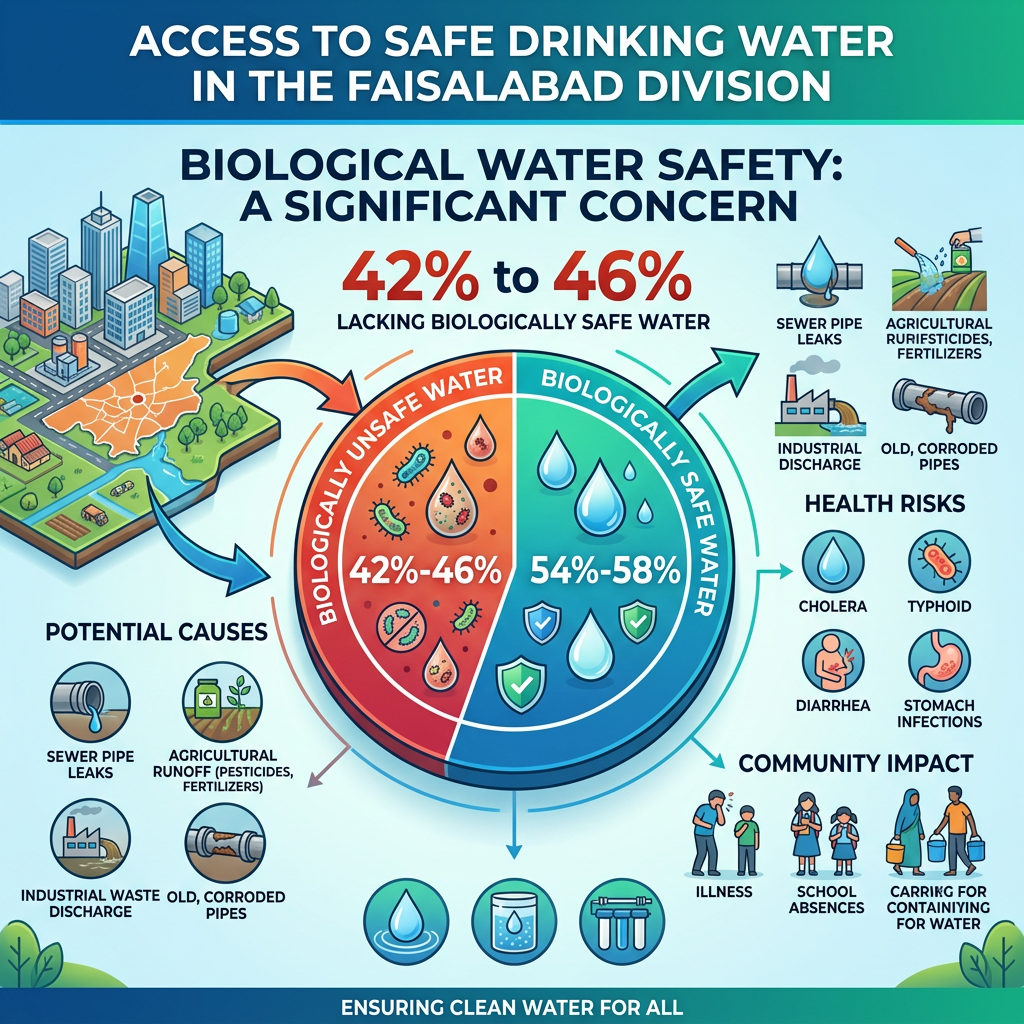
No access to safe drinking water lack biologically safe water
42% to 46%
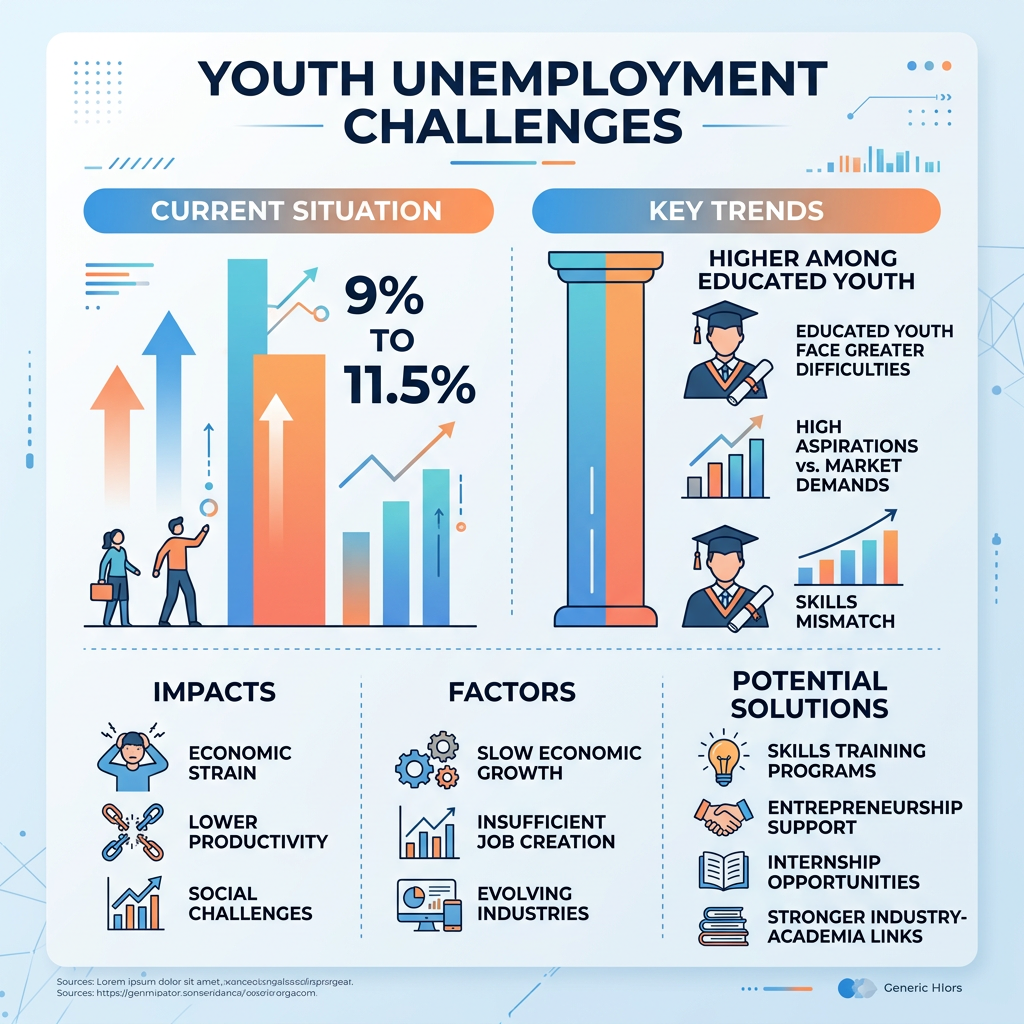
Youth unemployment (higher among educated youth).
9% to 11.5%
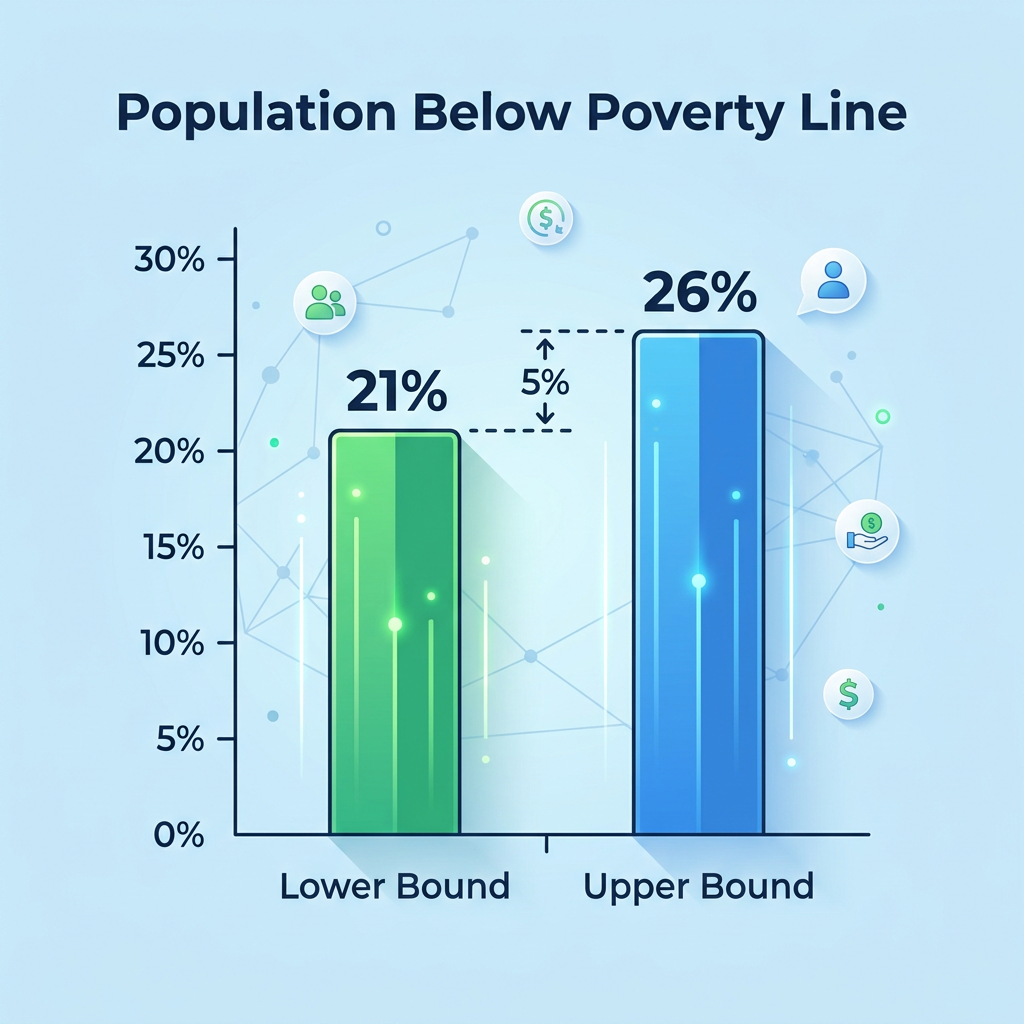
Population below the Poverty Line 21-26%
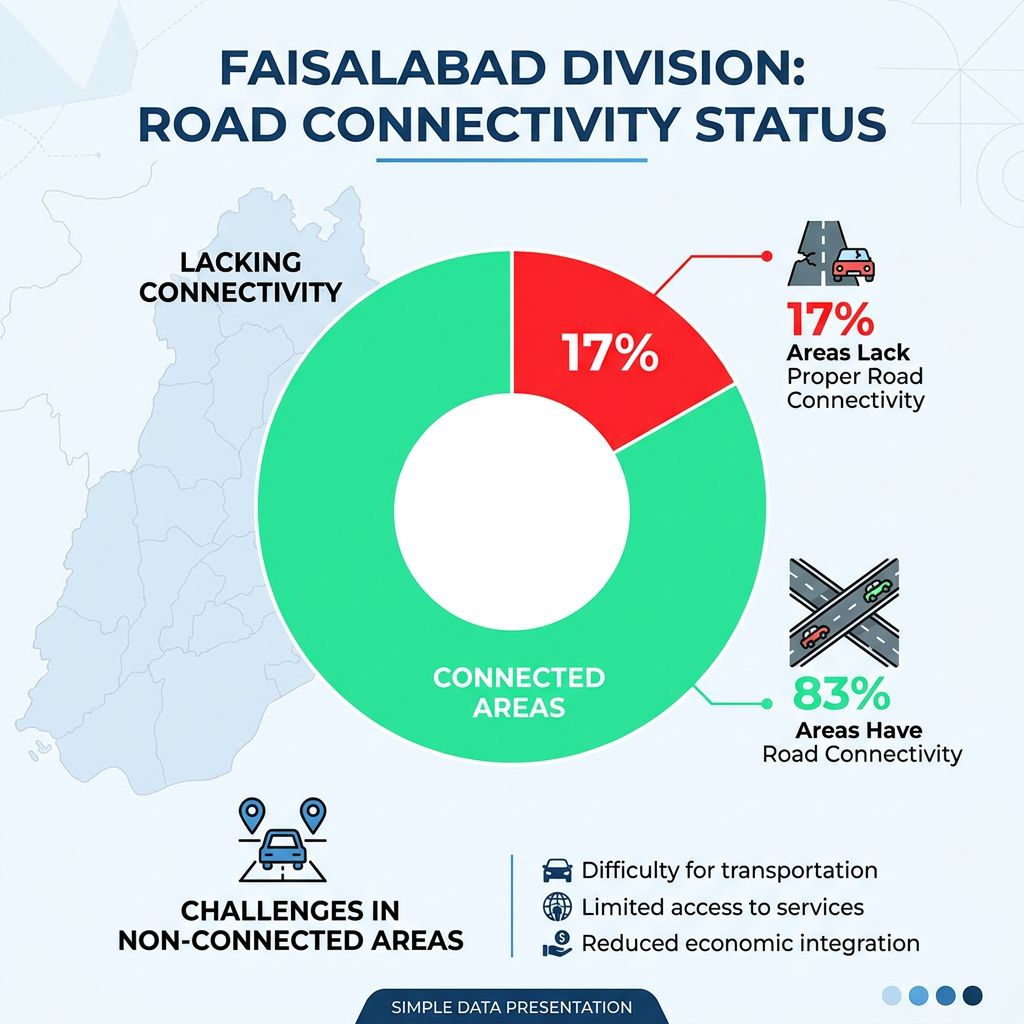
Lacking Road Connectivity About 17%
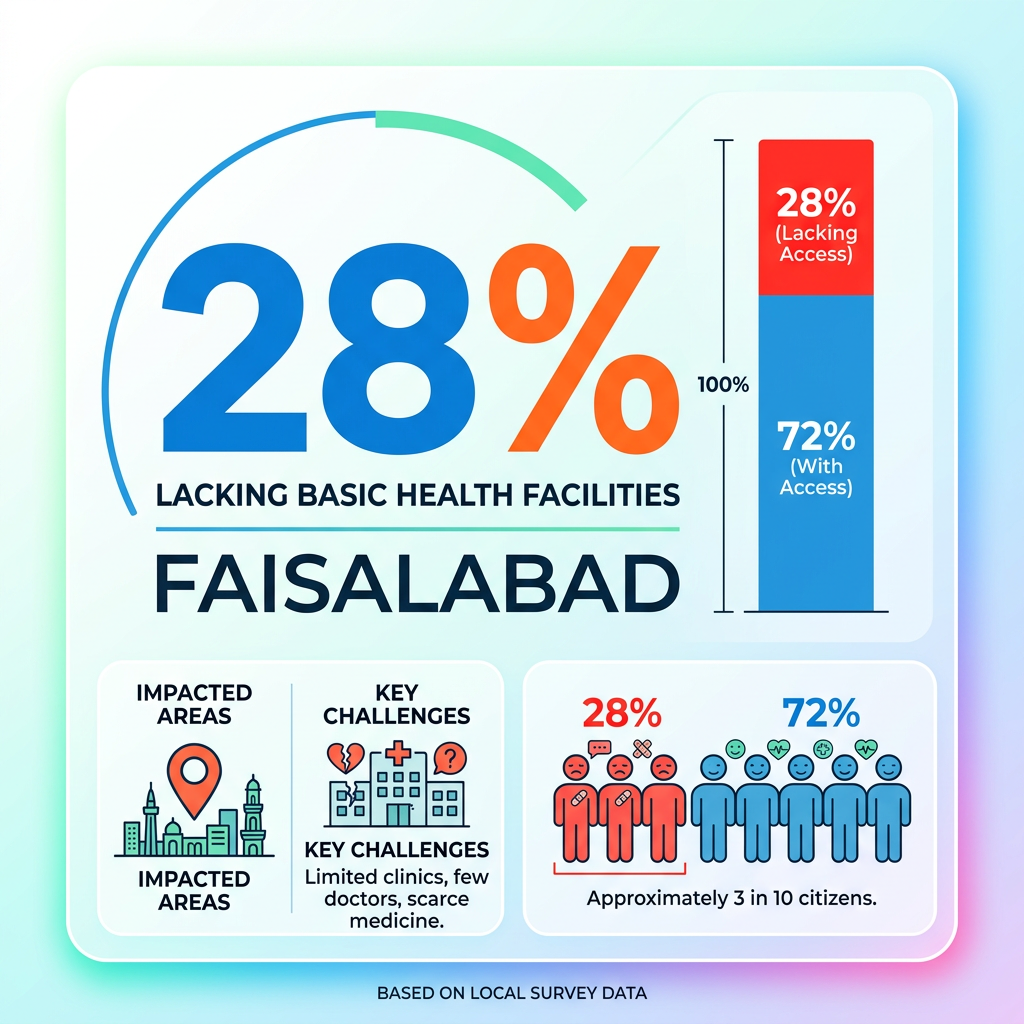
Lacking Basic Health Facilities 28%
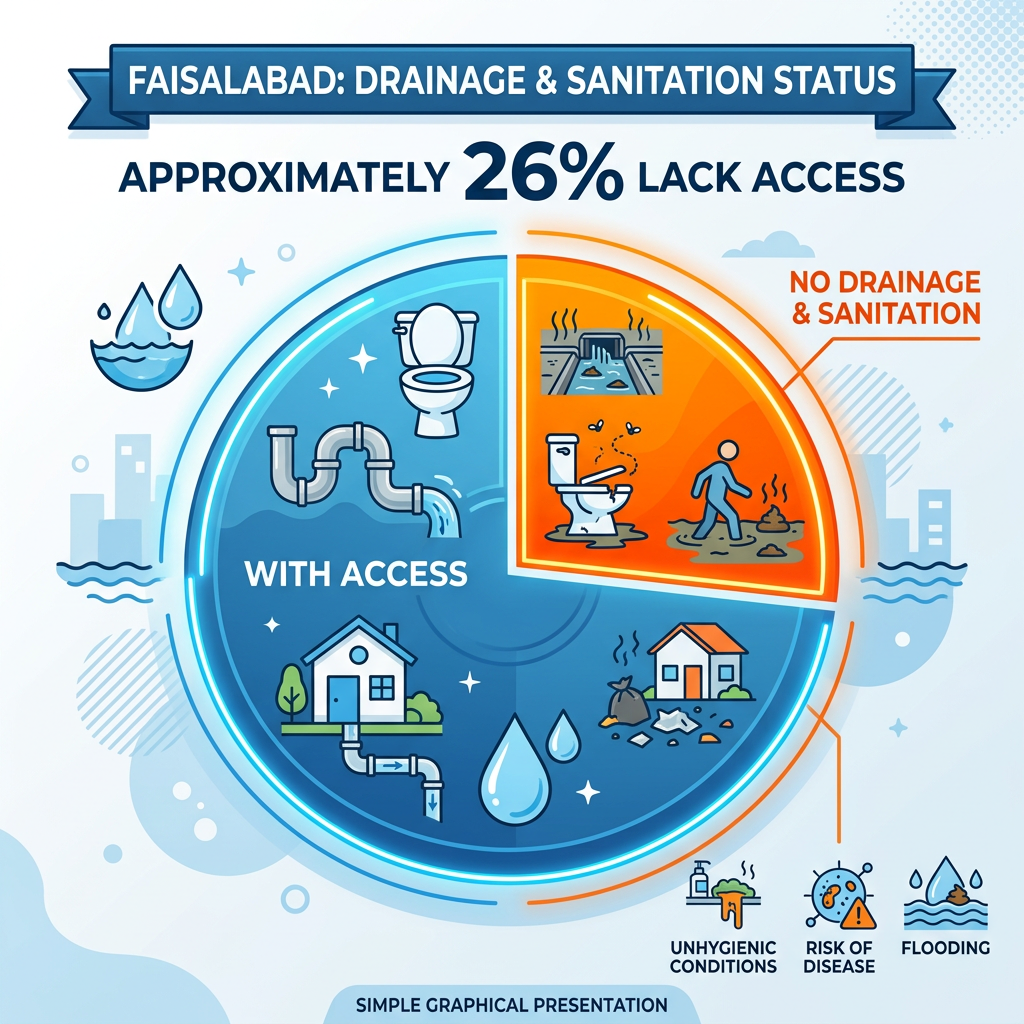
No Drainage and Sanitation Approximately 26%
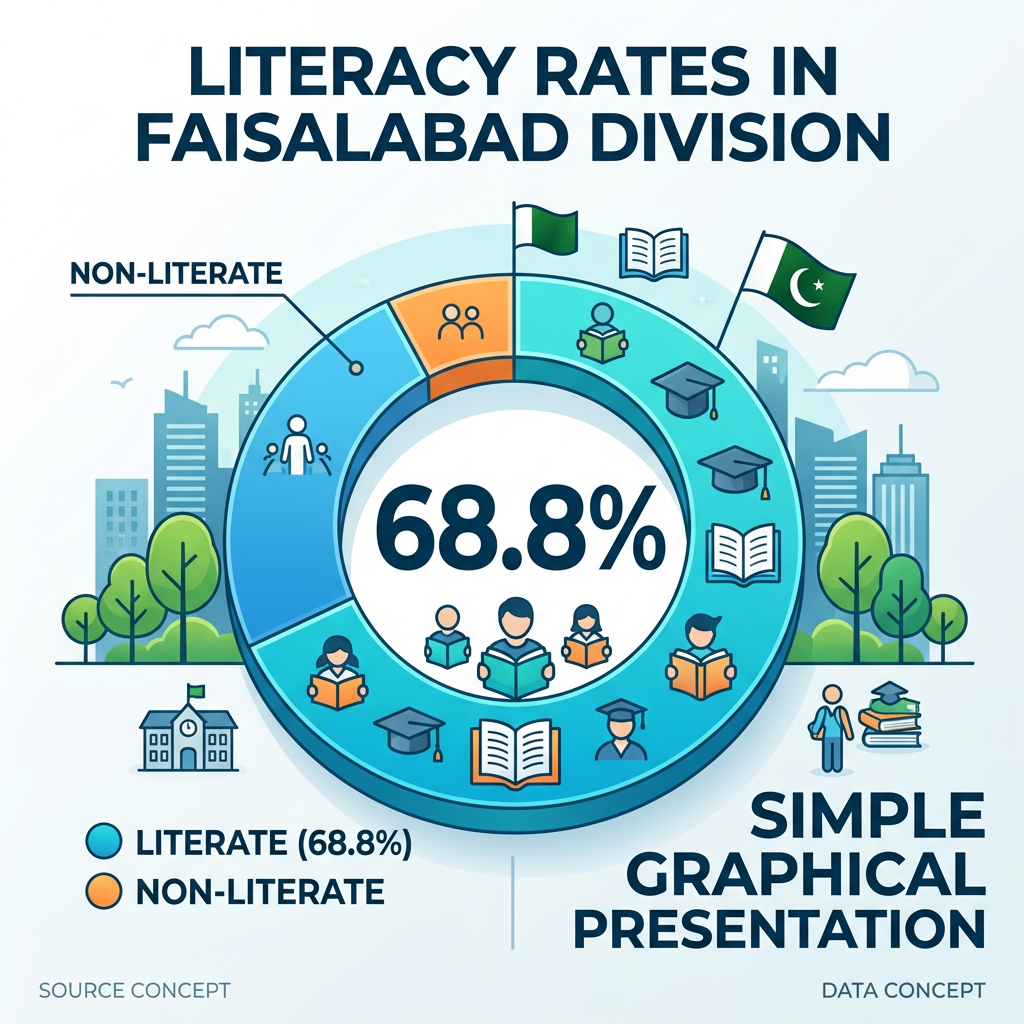
Literacy Rates 68.8%
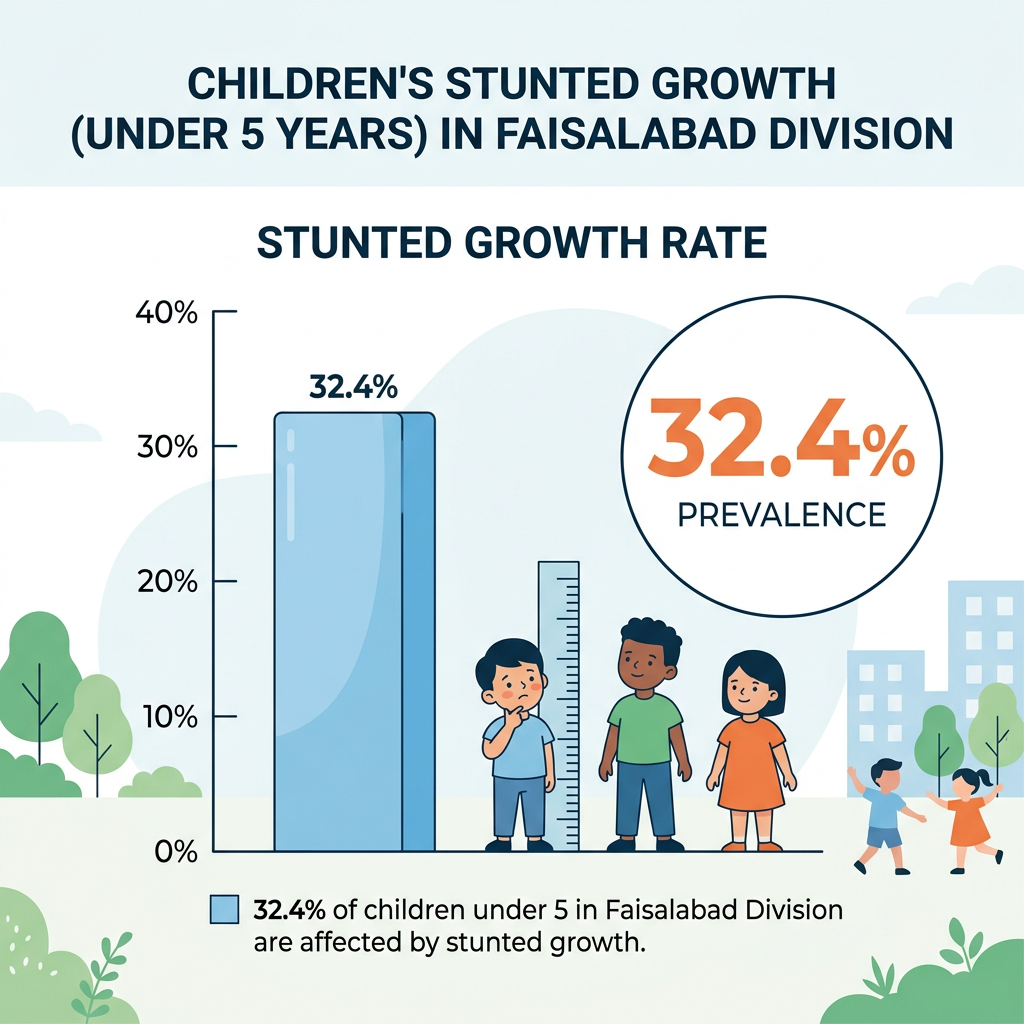
Children Stunted Growth (Under 5 Years) 32.4%
No access to safe drinking water
Youth unemployment
Population below the poverty line
Lacking road connectivity
Lacking basic health facilities
No drainage and sanitation
Literacy rates
Children stunted growth under 5 years
04
Districts
06
Tehsils
0
Population (2023 Census)
0
Area (km2)

Key Challenges

Faisalabad Division is grappling with a web of deep-rooted challenges from fragile healthcare and critical staff shortages to poor sanitation, unsafe drinking water, and limited education and job opportunities, collectively eroding public health and quality of life.

  • Health Overload:
    Healthcare facilities in the region are under severe pressure due to a growing population, resulting in overcrowded hospitals and inadequate medical services.
  • Education Shortfalls:
    The division faces a lack of quality educational institutions, insufficient teaching staff, and limited access to higher education opportunities.
  • Sewerage Pollution:
    Poor sewerage systems and ineffective waste management have led to environmental pollution, posing serious health risks to residents.
  • Drinking Water:
    Access to clean and safe drinking water remains a major concern, with many areas relying on contaminated or insufficient water sources.
  • Employment Challenges:
    Limited industrial development and job opportunities have contributed to rising unemployment and economic instability in the region.
  • Budget Allocation:
    Faisalabad Division receives PKR 6.5 billion in the budget of 2024-25, which accounts for only 0.59% of Punjab’s total development budget. This shows a relatively small share of provincial development funding for the division.
Health challenges

Governance Deficits

Sewerage Overload

Faisalabad division faces lower operational efficiency of sewerage disposal stations compared to Lahore.

Faisalabad
34/38 (89% Operational, in deteriorated condition)
Lahore
124/124 (100% Operational)

Poor Road Infrastructure

Around 35-45% of roads are badly broken down, and key link roads have stayed ruined for years because of heavy factory and transport trucks.

Drinking Water

Faisalabad Division faces a more severe drinking water quality challenge than Lahore Division.

Non-Functional Filtration Plants

Faisalabad
45%
Lahore
28%

Poverty Rate

Compared to Lahore, Faisalabad is facing a much deeper poverty challenge.

Faisalabad
24.5% (rural areas)
Lahore
4–5%

Health Indicators

Stunted Growth & Wasting

Child malnutrition, including stunting and wasting, is significantly worse in Faisalabad than Lahore.

Stunting (children under 5)

Faisalabad
38.3%
Lahore
27%

Wasting (children under 5)

Faisalabad
10.1%
Lahore
7.7%

Beds per 1,000 people

The availability of hospital beds is considerably lower in Faisalabad Division than in Lahore.

Faisalabad
0.72
Lahore
1.2

Teaching & Specialized Hospitals

Lahore has a much stronger network of teaching and specialized hospitals than Faisalabad Division.

Faisalabad
3
Lahore
20

Child Health Crisis

The child health situation in Faisalabad Division is significantly worse than in Lahore.

Infant Mortality Rate:

Faisalabad
60.2 per 1,000 live births
Lahore
44 per 1,000 live births

Under-5 Mortality Rate:

Faisalabad
68.9 per 1,000 live births
Lahore
52 per 1,000 live births

Health Professionals per 1,000

The health professionals are considerably weaker in Faisalabad Division than in Lahore.

Faisalabad
0.9 doctors per 1,000 people
Lahore
1.2 doctors per 1,000 people

Education Indicators

Out-of-School Children

Faisalabad Division faces a significantly higher challenge of out-of-school children compared to Lahore.

Faisalabad
42%
Lahore
9%

Net Enrolment Rate

Faisalabad Division faces a greater education gap in net enrolment compared to Lahore.

Faisalabad
58-62%
Lahore
70%

Access to Schools

Limited school access remains a serious concern in Faisalabad.

Faisalabad
76%
Lahore
90%

Judicial Stats

Lahore High Court

At the Lahore High Court, approximately 18,000–22,000 cases pertaining to the Faisalabad Division are pending, constituting roughly 10–12% of the total pendency.

Lower Courts

In the lower courts of Faisalabad Division, 110,025 criminal cases and 173,008 civil cases are currently pending.

Consequently, the total number of pending cases in the lower courts of the Faisalabad Division amounts to 283,033.

Annually Registered Crime Cases

Based on Punjab Police official performance reports and 2025 district crime data (Faisalabad region): Approximately 75,000–76,000 crime cases are registered annually in Faisalabad Division (covering Faisalabad, Jhang, Toba Tek Singh, and Chiniot).

Global Comparison:

  • Pakistan: 241.5 million people with 04 provinces
  • India: Had 9 states at independence; now has 37. New states are created every five years, doubling the pace of development.
  • China: 1.4 billion people with 31 provinces.
  • USA: 320 million people with 50 states.
  • Indonesia: 275 million people with 34 provinces.
  • Russia: 142 million people with 70 to 75 provinces.

More Videos

Chat with Us