Total population
2,521,513 2023 Digital Census
Toba Tek Singh District, independent since 1982, sits centrally within Faisalabad Division with roughly 2.52 million residents (2023 Digital Census). A prominent textile, poultry, and agricultural processing centre, it is famed globally for high-yield Kinnow and citrus orchards and grain markets rooted in British canal colonization layouts. This page summarises district statistics, services, elected representation, and priority development challenges.
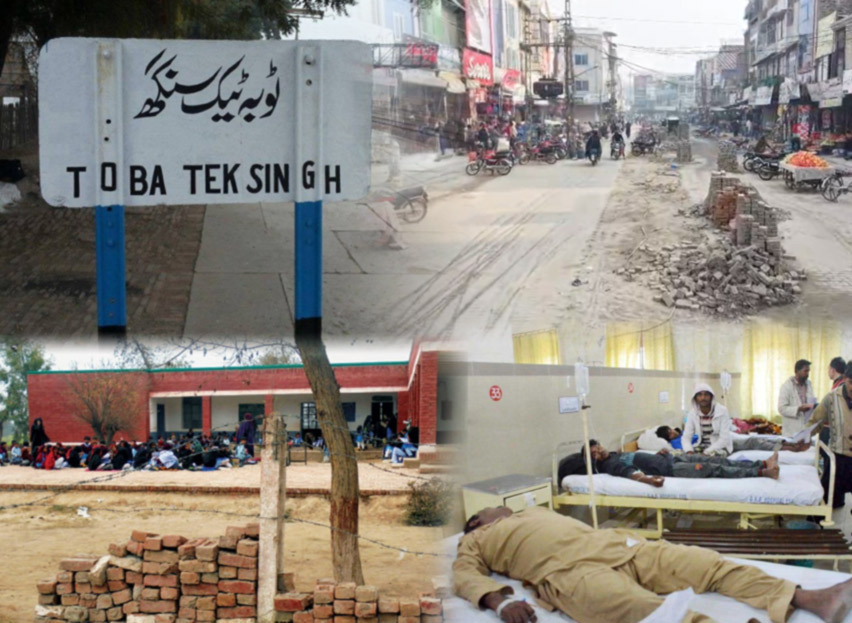
2,521,513 2023 Digital Census
3,259 km²
4 tehsils · 109 union councils · 539 villages
| Indicator | Value |
|---|---|
| Total population (2023 Digital Census) | 2,521,513 |
| Tehsils | 4 |
| Union councils | 109 |
| Villages | 539 |
| Total area | 3,259 km² |
| Public schools | 1,372 |
| Police stations | 11 |
| Type | Count |
|---|---|
| Public schools | 1,372 |
| Public colleges (government) | 1+ |
| Combined out-of-school rate (5–16) | 15.0% |
| Rural secondary OOS (estimate) | 21.5%+ |
| Facility type | Count |
|---|---|
| TB clinics | 01 |
| DHQ Hospital Toba Tek Singh | 01 |
| THQ hospitals (Gojra, Kamalia, Pir Mahal) | 03 |
| Rural health centres (RHC) | 09 |
| Basic health units (BHU) | 81 |
| Rural dispensaries | 34 |
| MCH centres | 06 |
| Facility type | Count |
|---|---|
| DHQ | 01 |
| THQ | 03 |
| RHC | 09 |
| BHU | 81 |
| Total (listed types) | 94 |
| Circle | Stations |
|---|---|
| Saddar circle | 04 |
| Kamalia circle | 04 |
| Gojra circle | 03 |
| Total | 11 |
| Measure | Notes |
|---|---|
| Civil courts (by tehsil) | Not specified in available district source data. |
Based on listed MNAs and MPAs (NA-105–107, PP-119–124). NA: IND 2, PML-N 1; PP: IND 3, PML-N 3.
Schooling, employment, water access, and bed capacity from division district profile data.
| Member | Constituency | Name (Party) |
|---|---|---|
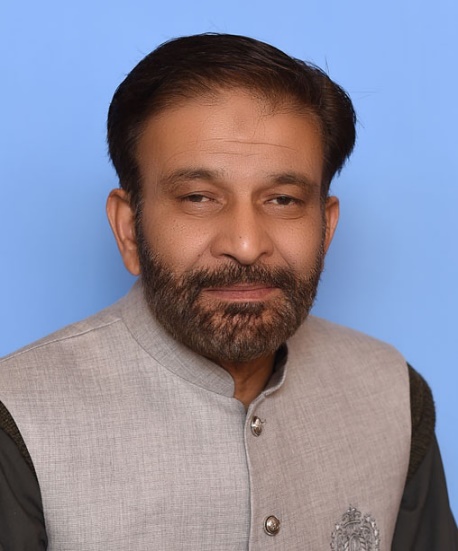
|
NA-105 Toba Tek Singh-I | Usama Hamza (Independent) |
|
NA-106 Toba Tek Singh-II | Muhammad Junaid Anwaar Chaudhry (PML-N) |
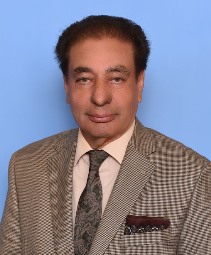
|
NA-107 Toba Tek Singh-III | Muhammad Riaz Khan Fatyana (Independent) |
| Member | Constituency | Name (Party) |
|---|---|---|
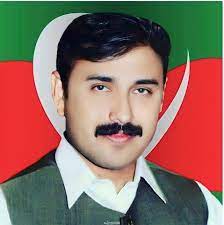
|
PP-119 Toba Tek Singh-I | Asad Zaman Cheema (Independent) |
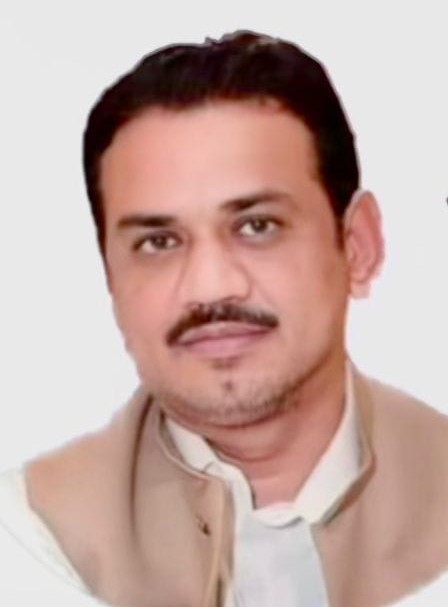
|
PP-120 Toba Tek Singh-II | Muhammad Ahsan Ihsan (PML-N) |
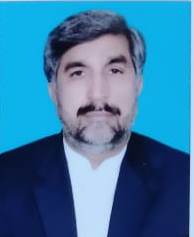
|
PP-121 Toba Tek Singh-III | Amjad Ali Javed (PML-N) |
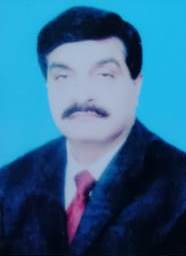
|
PP-122 Toba Tek Singh-IV | Muhammad Ayub Khan Gadhi (PML-N) |
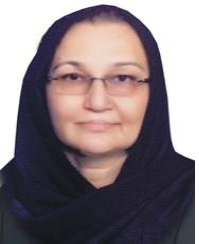
|
PP-123 Toba Tek Singh-V | Ashifa Riaz Fatyana (Independent) |
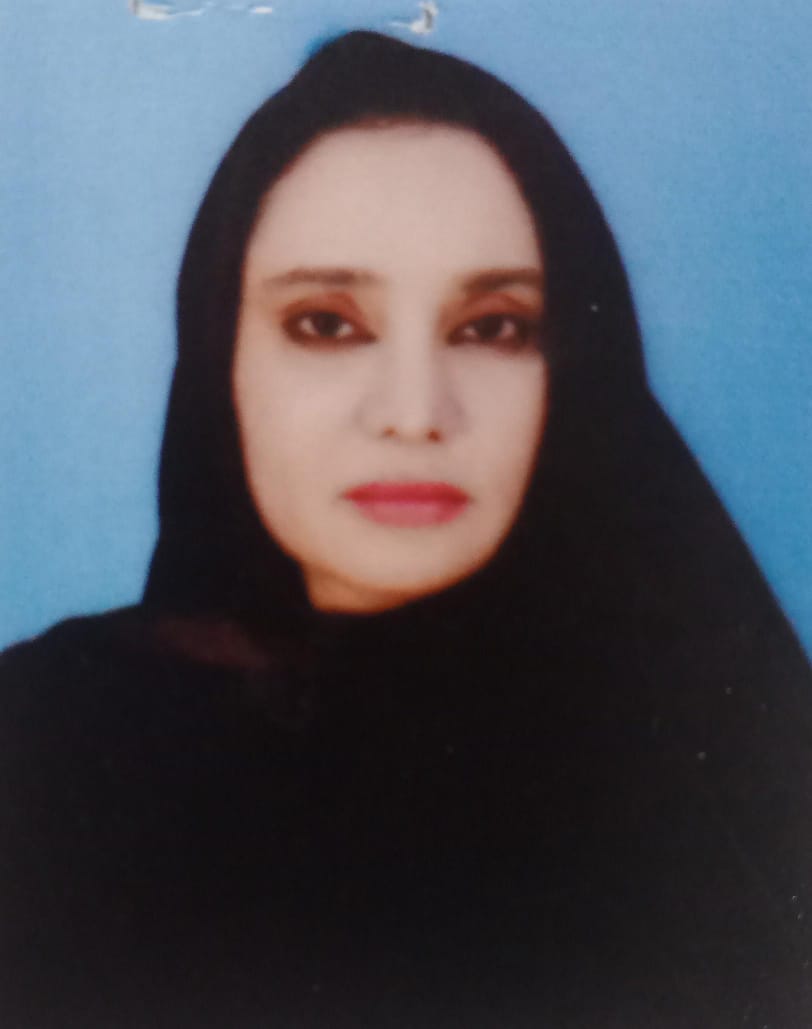
|
PP-124 Toba Tek Singh-VI | Sonia Ali Raza (Independent) |
Toba Tek Singh handles severe secondary-to-tertiary delivery gridlocks, operating under about 0.44 beds per 1,000 citizens. With no medical university or teaching hospital within district boundaries, specialized emergency, oncology, and advanced infant care demands are redirected across transit roads into Faisalabad’s saturated hubs.
Driven by a sharp post-primary school structural gap, the district’s peripheral rural belt deals with high out-of-school numbers. An out-of-school child pattern exceeds 21.5% in secondary school brackets of rural union councils, caused by insufficient middle-to-higher secondary upgrades.
Technical and professional underemployment runs high; despite remittance flows from an active diaspora, general unemployment of 8.6% remains. The lack of modern tech hubs or localized corporate infrastructure sustains a 12.8% child labour pattern within informal agro-processing loops.
Intensive agrochemicals and fertilizer runoff have degraded local shallow water beds. Decaying municipal and village delivery grids leave over 48% of the regional population without biologically safe drinking water assets.
The district encounters intense pollution from untreated discharge from cotton ginning units, oil mills, and weaving sectors. Agricultural water tests confirm that 16.2% of sub-soil irrigation aquifers are entirely unfit due to persistent chemical seepage.
Advanced structural cracking and severe surface erosion affect an average of 40% of secondary rural farm-to-market links, driven by inadequate layouts that fail under the heavy axle-load weights of seasonal sugarcane and citrus transport logistics.