Total population
9,075,819 2023 Digital Census
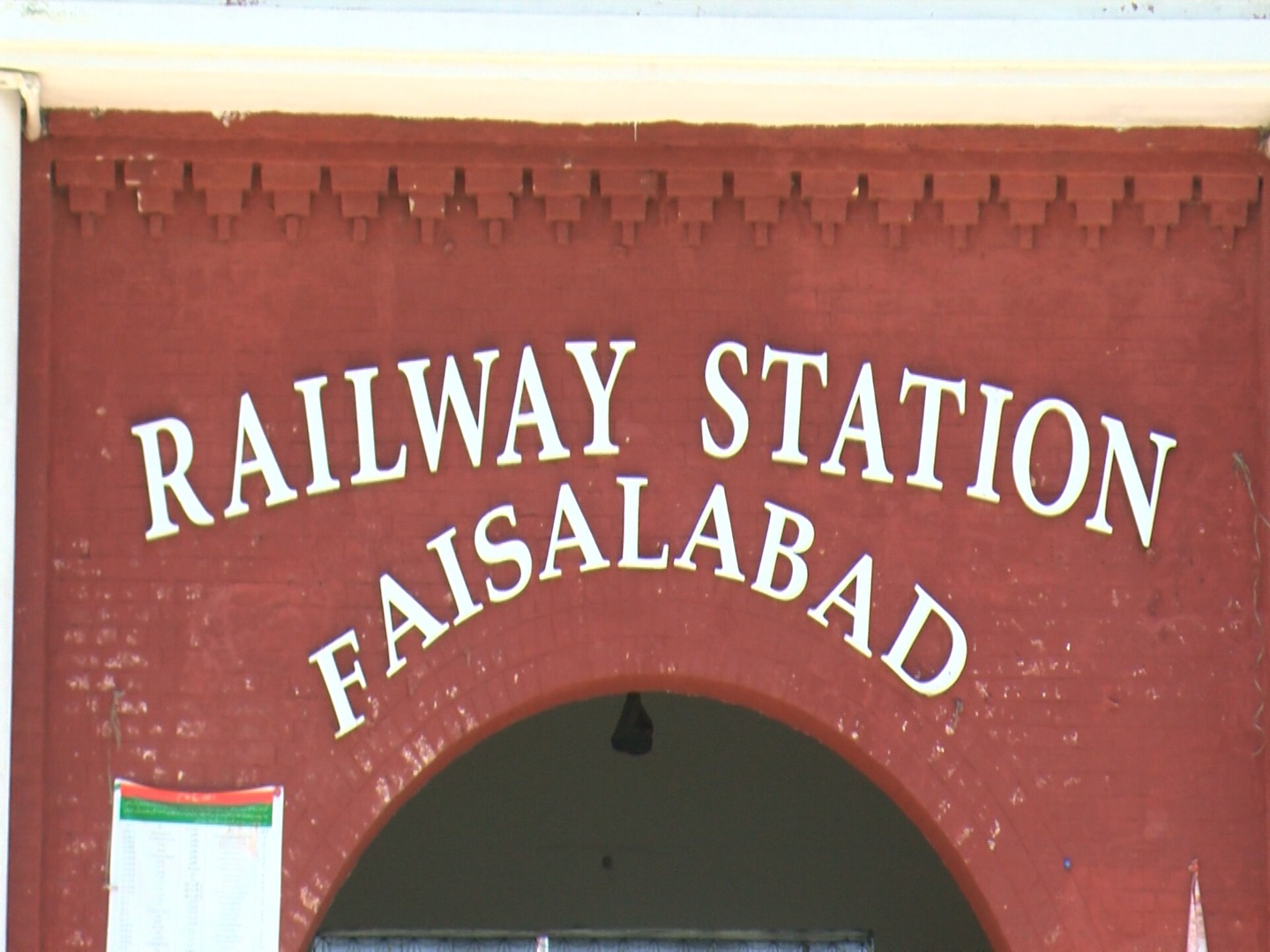
A dense urban core around Faisalabad City, Pakistan’s major industrial and textile hub, and a premier higher-education center including the University of Agriculture, Faisalabad and Government College University Faisalabad. This page summarises district statistics, services, elected representation, and priority development challenges
9,075,819 2023 Digital Census
5,856 km²
6 tehsils · 1 Municipal Corporation · 7 Municipal Committees · 842 villages
| Indicator | Value |
|---|---|
| Total population (2023 Digital Census) | 9,075,819 |
| Tehsils | 06 |
| Tehsil names | Faisalabad City, Faisalabad Sadar, Jaranwala, Tandlianwala, Samundri, Chak Jhumra |
| Union councils | 346 |
| Villages | 842 |
| Total area | 5,856 km² |
| Municipal corporation | 01 |
| Municipal committees | 07 |
| Type | Count |
|---|---|
| Government schools | 2,208 |
| Public colleges (total) | 29 |
| — Colleges for females | 16 |
| — Colleges for males | 13 |
| Facility type | Count |
|---|---|
| TB clinics | 01 |
| DHQ Hospital Faisalabad | 01 |
| Allied Hospital Faisalabad | 01 |
| Allied Hospital-II | 01 |
| Faisalabad Institute of Cardiology | 01 |
| Children Hospital Faisalabad | 01 |
| Faisalabad Teaching Hospital, Ghulam Muhammad Abad | 01 |
| Govt. General Hospital Samanabad (250 beds) | 01 |
| Govt. General Hospital Nusrat Fateh Ali Khan (250 beds) | 01 |
| 60-bedded Hospital Khurrianwala | 01 |
| THQ hospitals (Samundri, Tandlianwala, Jaranwala, Chak Jhumra) | 04 |
| Maryam Nawaz hospitals | 02 |
| Rural health centres (RHCs) | 14 |
| Basic health units (BHUs) | 135 |
| Zila Council dispensaries | 66 |
| Government city dispensaries | 34 |
| Government rural dispensaries | 07 |
| MCH centres | 06 |
| Facility type | Count |
|---|---|
| DHQ | 01 |
| THQ | 04 |
| RHC | 14 |
| BHU | 135 |
| Total (DHQ–BHU) | 154 |
| Circle | Stations |
|---|---|
| Lyallpur Division | 05 |
| Madina Town Division | 06 |
| Jaranwala Division | 07 |
| Iqbal Town Division | 08 |
| Saddar Division | 09 |
| Total | 35 |
Based on listed MNAs and MPAs (NA-95–104, PP-98–118). NA: PML-N 2, PTI/SIC 1, IND 7; PP: PML-N 8, IND 13.
Youth unemployment (mid-range), out-of-school children (division), and share lacking biologically safe drinking water. Further detail is in the priority sections below.
| Member | Constituency | Name (Party) |
|---|---|---|
|
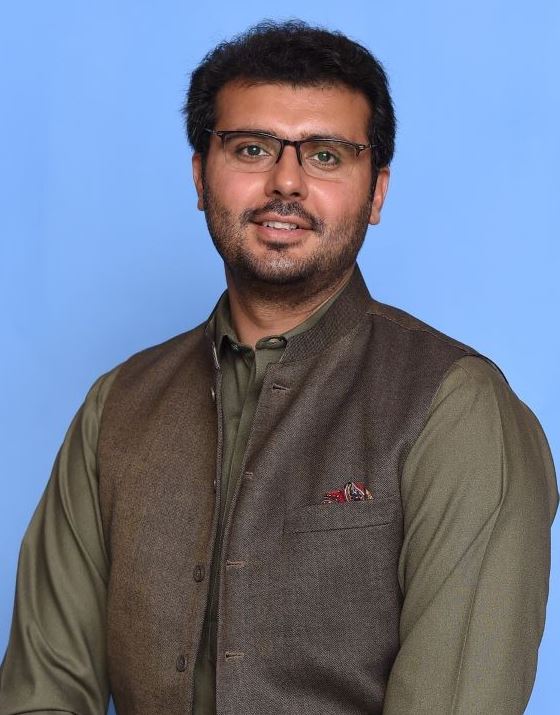
NA-95 Faisalabad-I | Ali Afzal Sahi (PTI / Sunni Ittehad Council) |
|
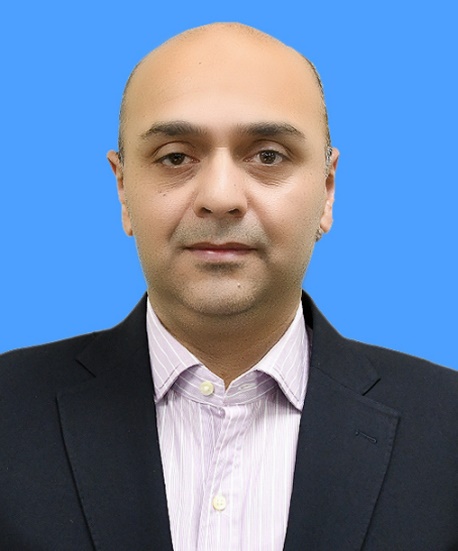
NA-96 Faisalabad-II | Muhammad Bilal Badar Chaudhry (PML-N) |
|
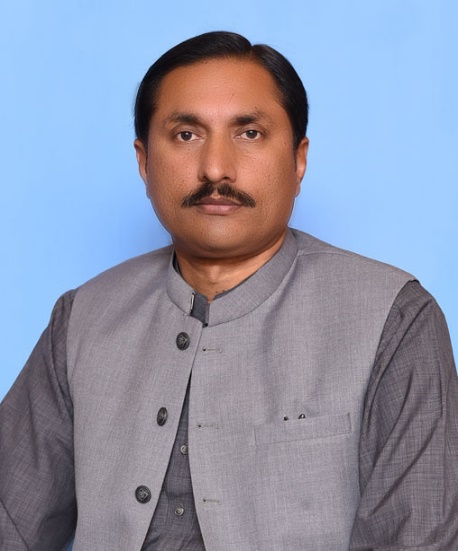
NA-97 Faisalabad-III | Muhammad Saad Ullah (Independent) |
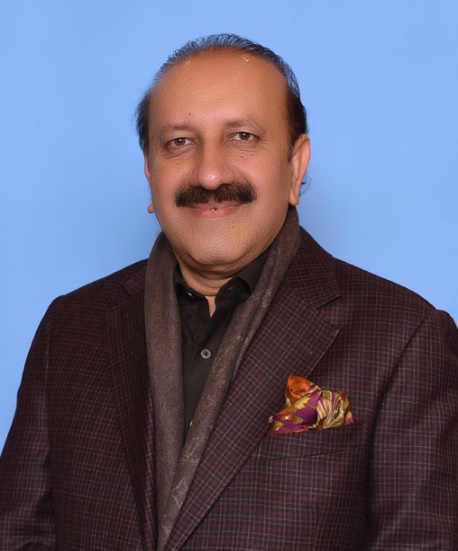
|
NA-98 Faisalabad-IV | Chaudhary Muhammad Shahbaz Babar (PML-N) |
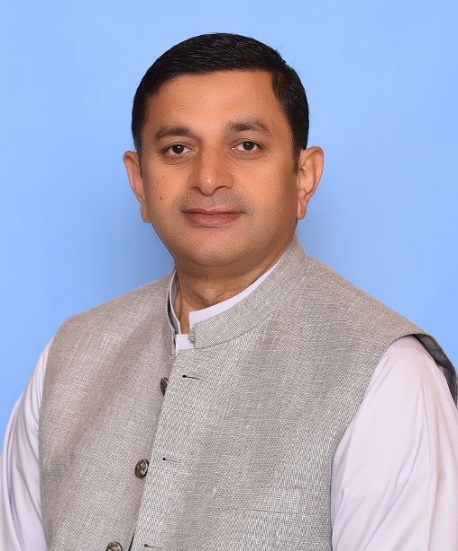
|
NA-99 Faisalabad-V | Umar Farooq (Independent) |
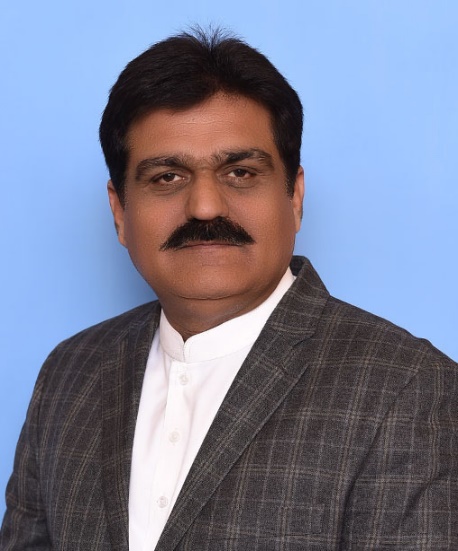
|
NA-100 Faisalabad-VI | Dr. Nisar Jutt (Independent) |
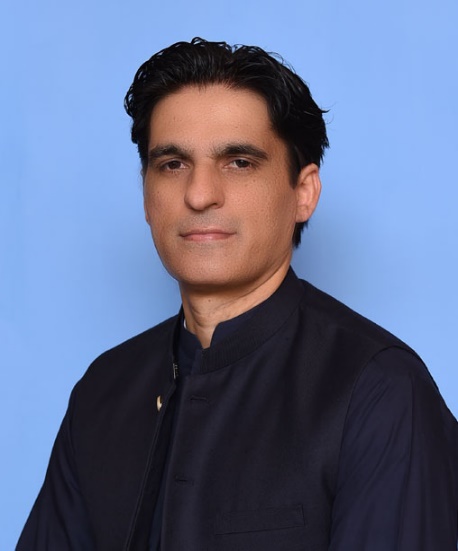
|
NA-101 Faisalabad-VII | Rana Atif (Independent) |
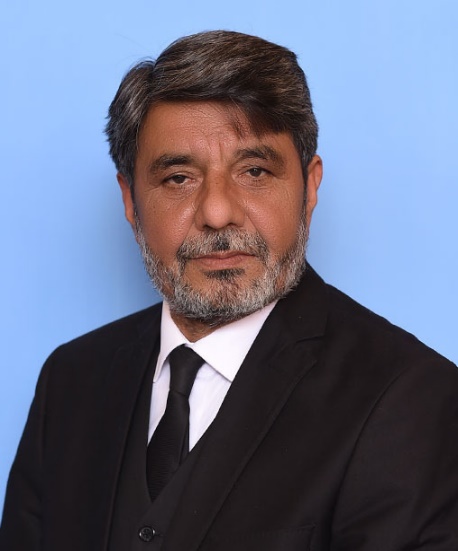
|
NA-102 Faisalabad-VIII | Changaiz Ahmed Khan Kakar (Independent) |
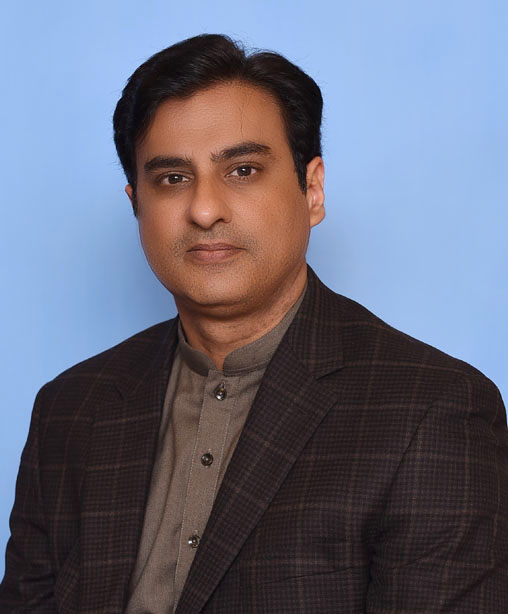
|
NA-103 Faisalabad-IX | Muhammad Ali Sarfraz (Independent) |
|
NA-104 Faisalabad-X | Sahibzada Hamid Raza (Independent) |
| Member | Constituency | Name (Party) |
|---|---|---|
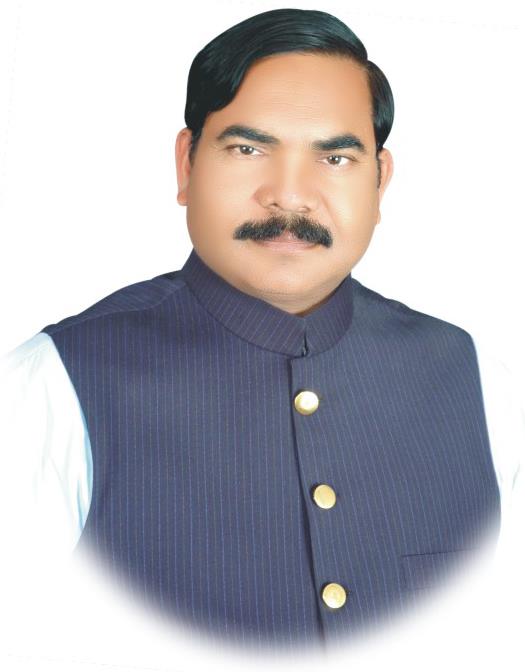
|
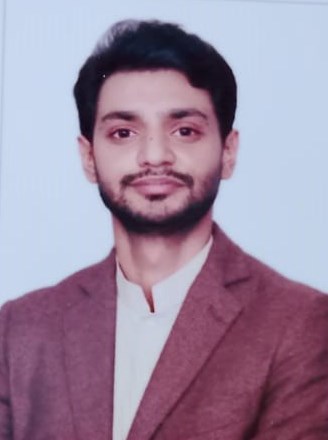
PP-98 Faisalabad-I | Azad Ali Tabassum (PML-N) |
|
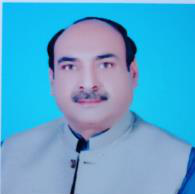
PP-99 Faisalabad-II | Ahmad Mujtaba Chaudhary (Independent) |
|
PP-100 Faisalabad-III | Khan Bahadar (PML-N) |
|
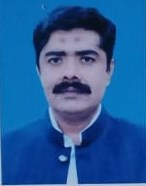
PP-101 Faisalabad-IV | Muhammad Akram Chaudhary (Independent) |
|
PP-102 Faisalabad-V | Jaffar Ali Hocha (PML-N) |
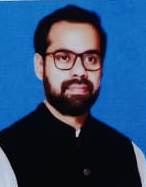
|
PP-103 Faisalabad-VI | Noor Shahid Noor (Independent) |
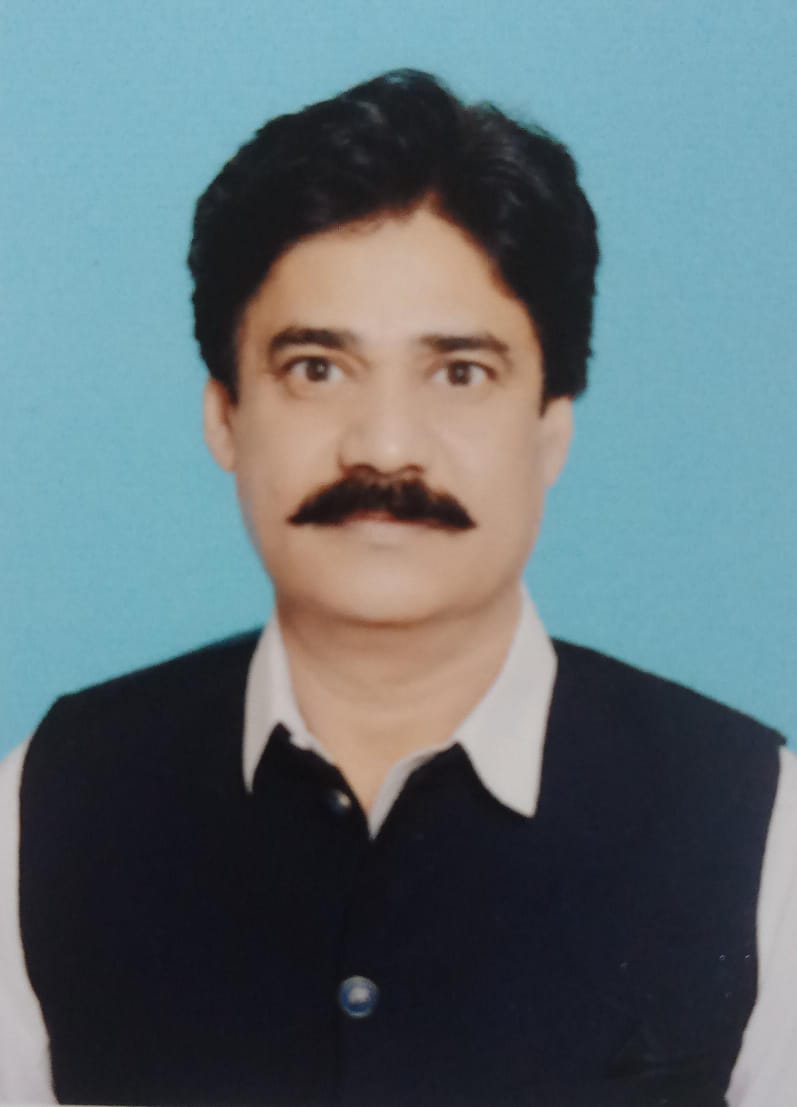
|
PP-104 Faisalabad-VII | Arif Mehmood Gill (PML-N) |
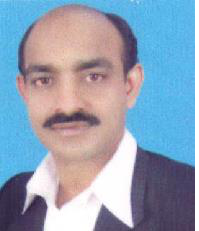
|
PP-105 Faisalabad-VIII | Rao Kashif Raheem Khan (PML-N) |
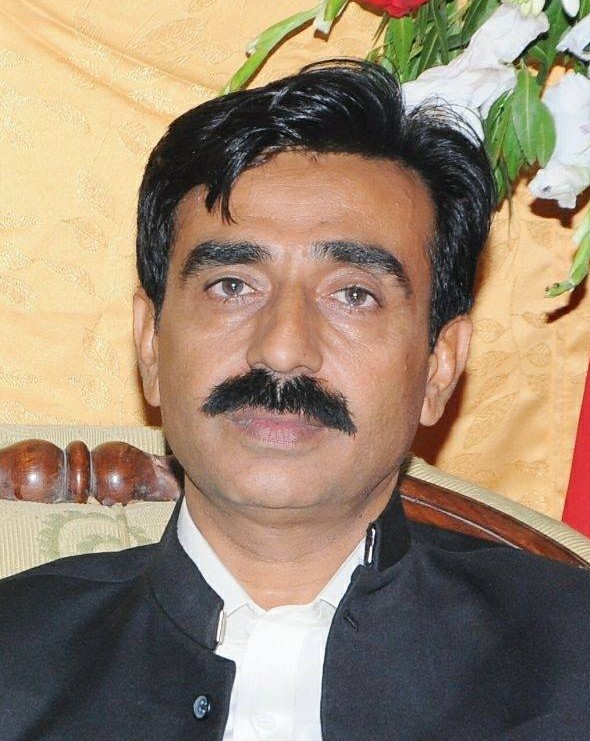
|
PP-106 Faisalabad-IX | Ahsan Raza (Independent) |
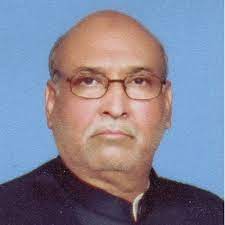
|
PP-107 Faisalabad-X | Javed Niaz Manj (Independent) |
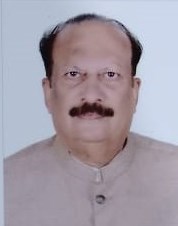
|
PP-108 Faisalabad-XI | Rana Aftab Ahmad Khan (Independent) |
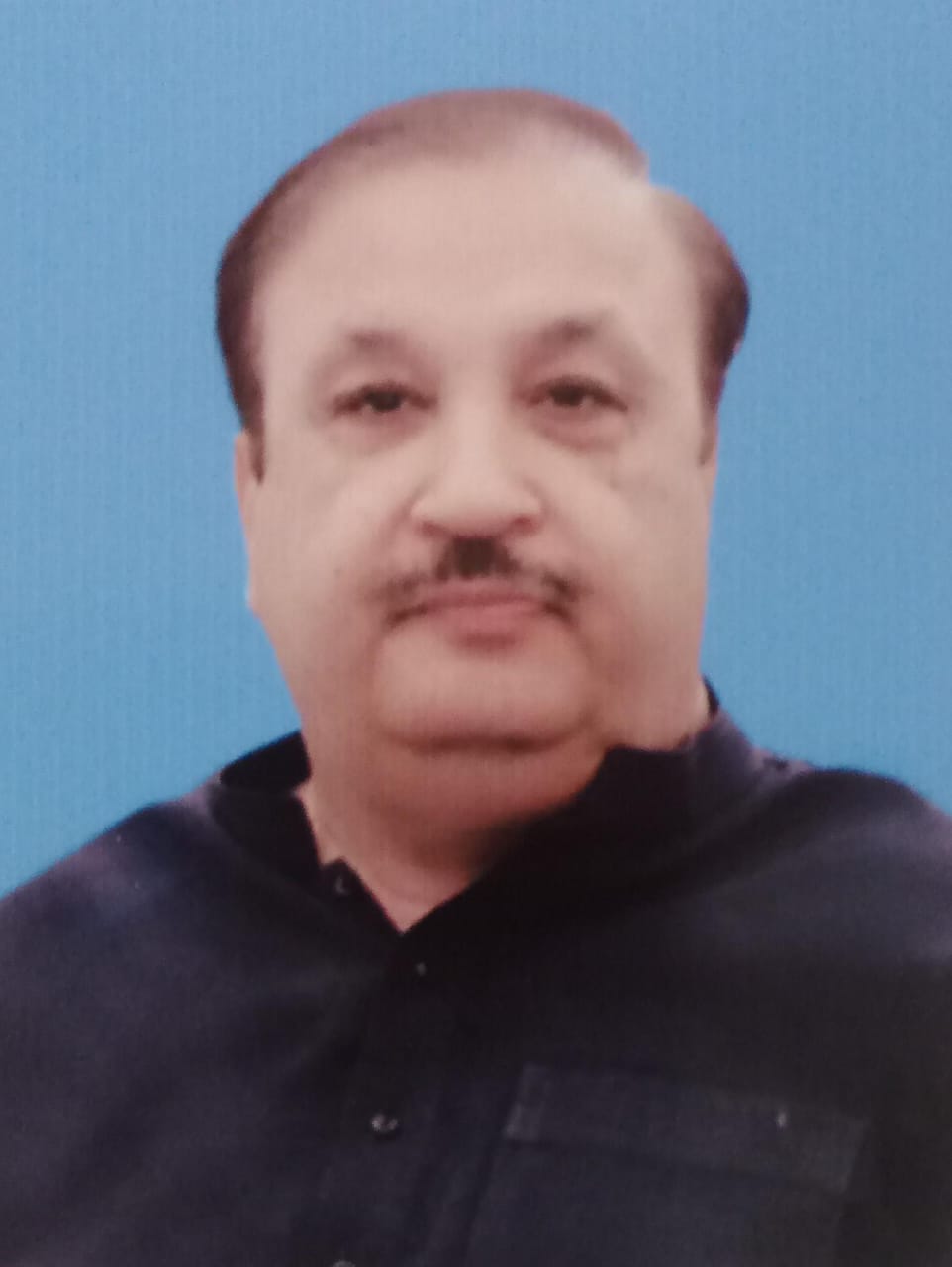
|
PP-109 Faisalabad-XII | Chaudhry Zafar Iqbal Nagra (PML-N) |
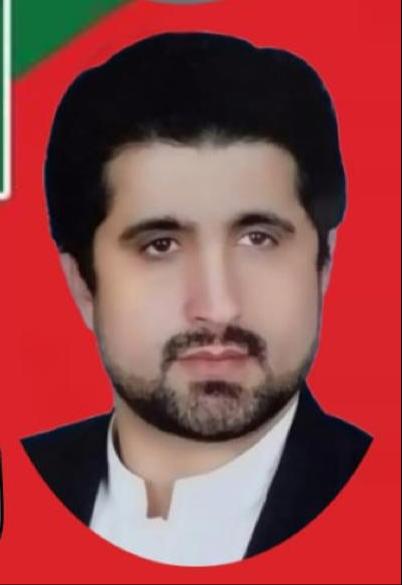
|
PP-110 Faisalabad-XIII | Hassan Zaka (Independent) |
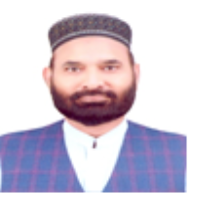
|
PP-111 Faisalabad-XIV | Basharat Ali (Independent) |
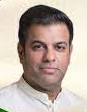
|
PP-112 Faisalabad-XV | Asad Mehmood (Independent) |
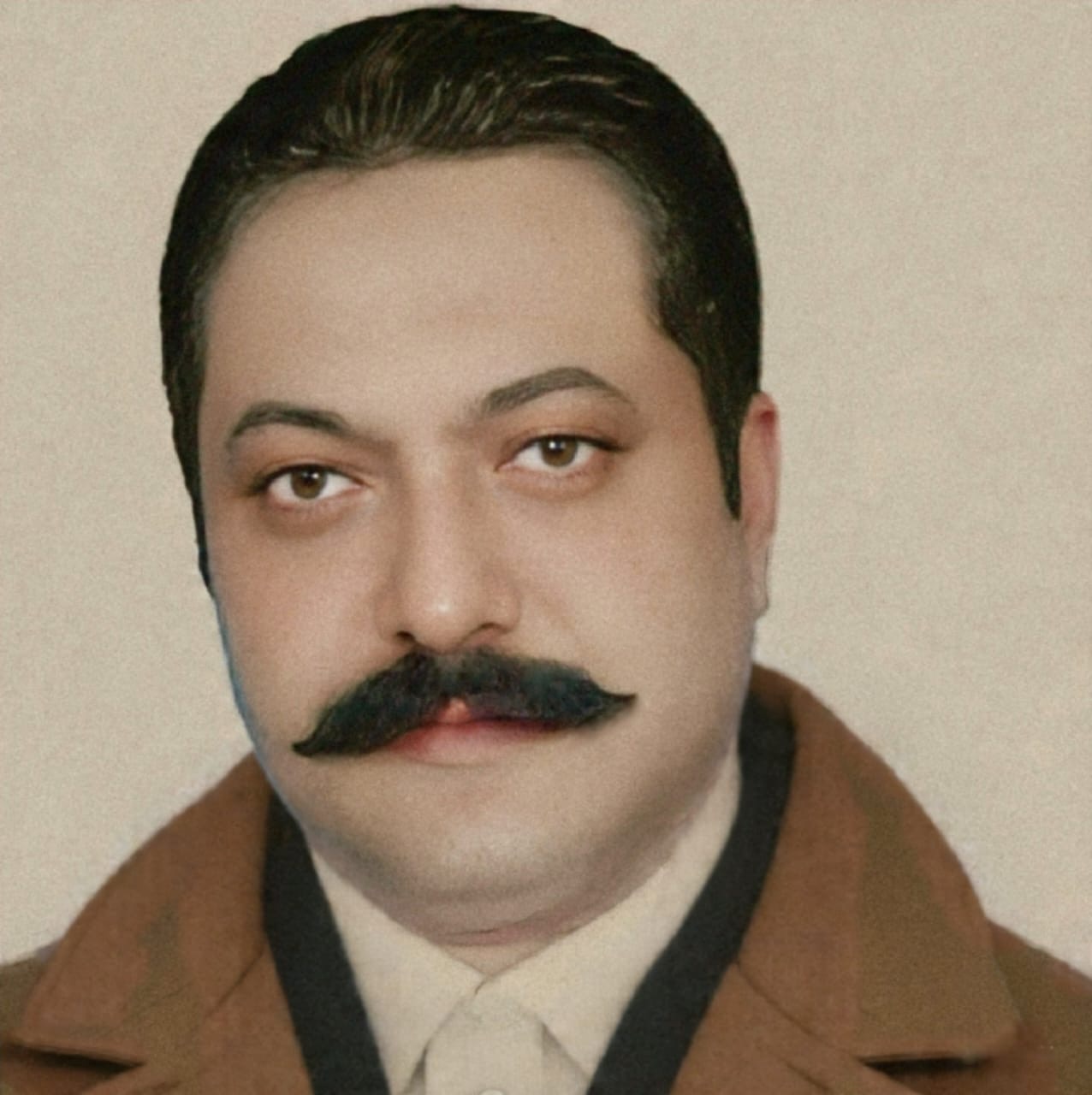
|
PP-113 Faisalabad-XVI | Nadeem Sadiq Dogar (Independent) |
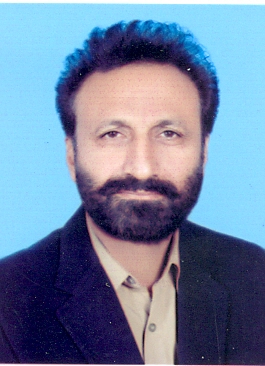
|
PP-114 Faisalabad-XVII | Muhammad Latif Nazar (Independent) |
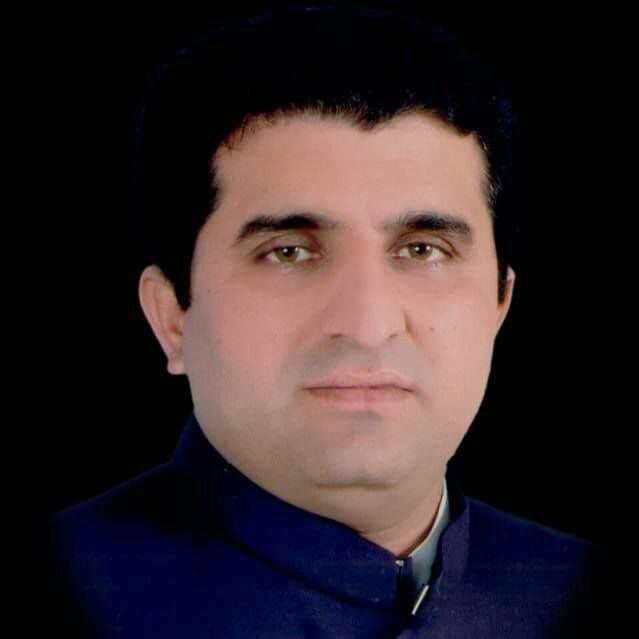
|
PP-115 Faisalabad-XVIII | Muhammad Tahir Pervaiz (PML-N) |
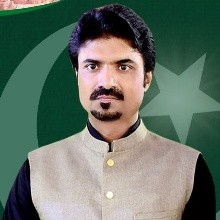
|
PP-116 Faisalabad-XIX | Ahmad Sheheryar (PML-N) |
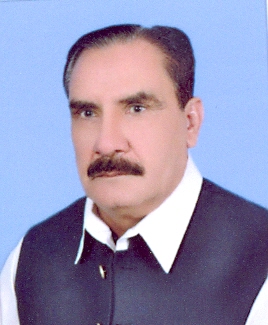
|
PP-117 Faisalabad-XX | Abdul Razzaq Khan (Independent) |
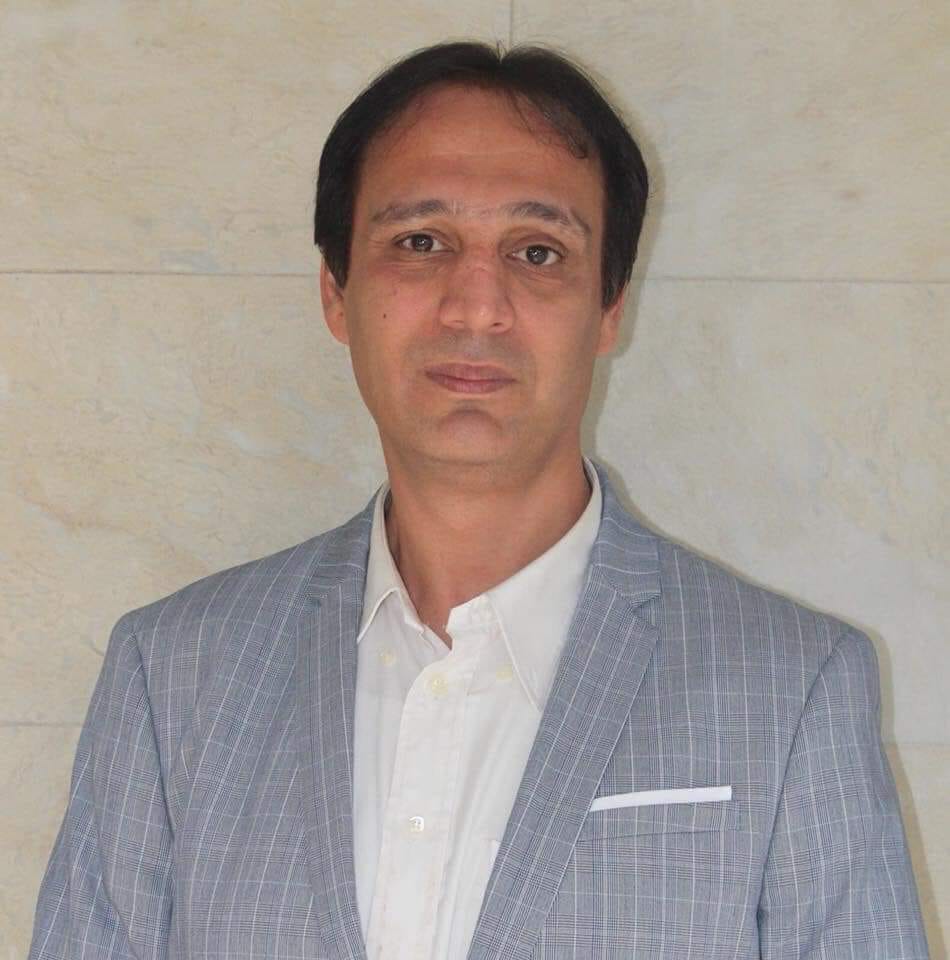
|
PP-118 Faisalabad-XXI | Khayal Ahmad (Independent) |
The district handles an intense regional healthcare deficit, operating under an overstretched capacity layout of just 0.72 beds per 1,000 citizens. Because the other three districts entirely lack teaching hospitals, Faisalabad’s tertiary units bear the primary medical, clinical, and trauma load for over 16 million people, creating massive overcrowding and operational gridlocks.
Despite hosting major urban institutions, rural and low-income peri-urban sub-divisions deal with severe school availability gaps and teacher shortages, contributing to a high out-of-school child pattern that affects approximately 1.0 million (42%) children across the division.
Underemployment and job insecurity remain critical; a substantial portion of the local workforce is locked in low-paid, informal factory loops without long-term job security or social protection, anchoring youth unemployment between 9% and 11.5%.
Industrial textile waste and groundwater depletion have severely contaminated surrounding shallow aquifers. Consequently, 42% to 46% of the population lacks access to biologically safe drinking water.
Untreated toxic chemical dye effluents from thousands of textile and processing mills dump directly into open water channels, causing extensive soil and agricultural crop pollution alongside frequent urban sewerage overflows. WASA Faisalabad provides sewerage services to only 70–72% of the urban city area, leaving 28–30% of the urban core unserved or partially served.
Continuous commercial freight and heavy cargo transit have induced massive structural surface fatigue and asphalt rutting across secondary factory logistics loops and municipal choke points, demonstrating that current infrastructure layouts are grossly insufficient to cater to the growing demands of Pakistan’s third-largest metropolis.