Total population
1,563,024 2023 Digital Census
Chiniot District, situated on the western bank of the Chenab River in central Punjab, was formally carved out of the Jhang District in July 2009. Celebrated globally for its exquisite wood carving, master-crafted furniture, and historical Mughal-inspired architecture like the Umar Hayat Mahal, it serves as a crucial socio-economic and artisan-driven territory within the Faisalabad Division (1,563,024 residents, 2023 Digital Census). This page summarises district statistics, services, elected representation, and priority development challenges.
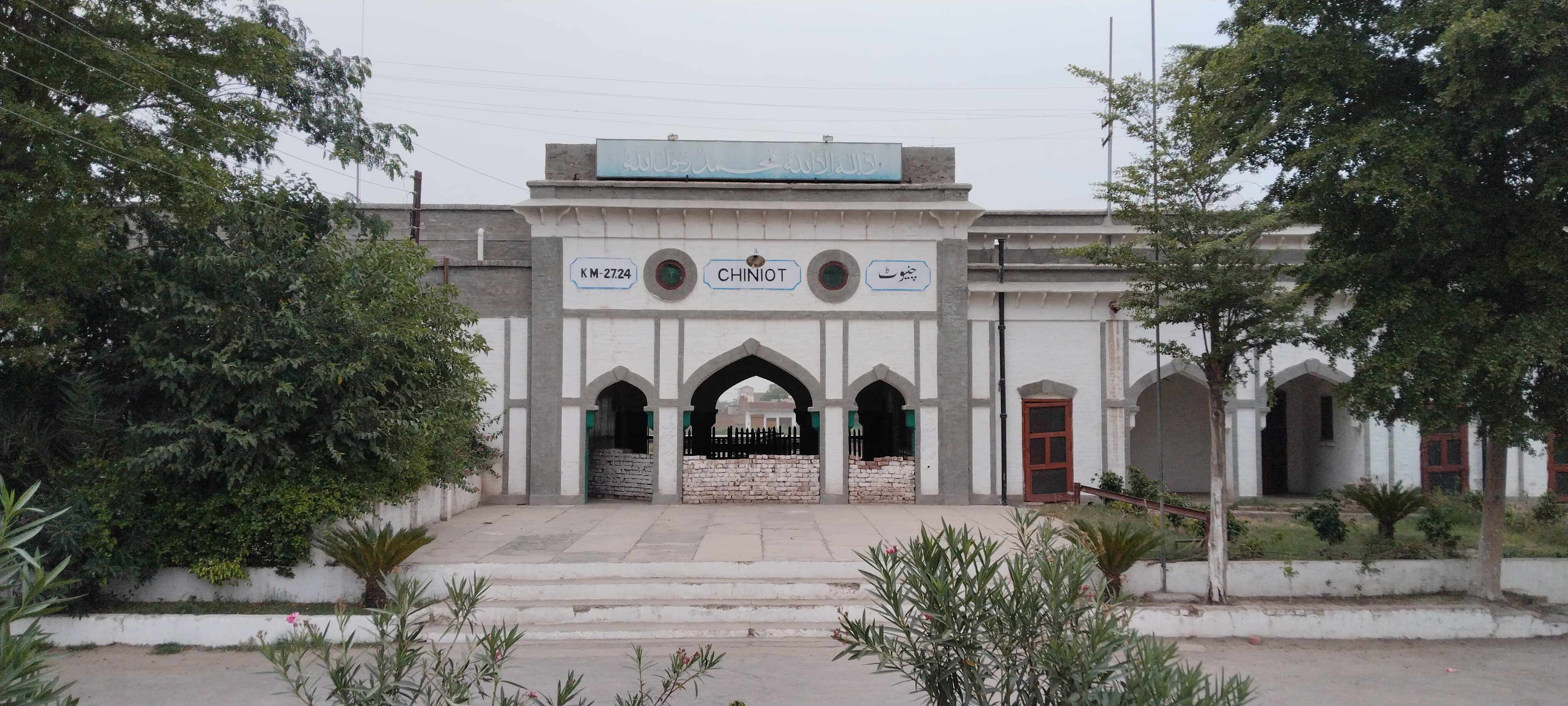
1,563,024 2023 Digital Census
2,643 km²
3 tehsils (Chiniot, Lalian, Bhowana) · 39 union councils · 361 villages
| Indicator | Value |
|---|---|
| Total population (2023 Digital Census) | 1,563,024 |
| Tehsils | 3 |
| Tehsil names | Chiniot, Lalian, Bhowana |
| Union councils | 39 |
| Villages | 361 |
| Total area | 2,643 km² |
| Public schools | 697 |
| Public colleges | 11 |
| Police stations | 09 |
| Type | Count |
|---|---|
| Public schools | 697 |
| Public colleges | 11 |
| District literacy rate | 55.05% |
| Female literacy rate | 45.19% |
| Facility type | Count |
|---|---|
| DHQ Hospital Chiniot | 01 |
| THQ hospitals (Lalian, Bhowana) | 02 |
| Rural health centres (RHC) | 03 |
| Basic health units (BHU) | 36 |
| Rural dispensaries | 07 |
| MCH centres | 02 |
| Facility type | Count |
|---|---|
| DHQ | 01 |
| THQ | 02 |
| RHC | 03 |
| BHU | 36 |
| Total (listed types) | 42 |
| Circle | Stations |
|---|---|
| City circle (City, Saddar, Rajoa) | 03 |
| Chenab Nagar circle (Chenab Nagar, Lalian, Barrana, Kandiwal) | 04 |
| Bhawana circle (Bhawana, Langrana) | 02 |
| Total | 09 |
| Measure | Notes |
|---|---|
| Civil courts (by tehsil) | Not specified in available district source data. |
Based on listed MNAs and MPAs (NA-93–94, PP-94–97). NA: IND 1, PML-N 1; PP: IND 2, PML-N 2.
Literacy, schooling, employment, infant mortality, and bed capacity from division district profile data.
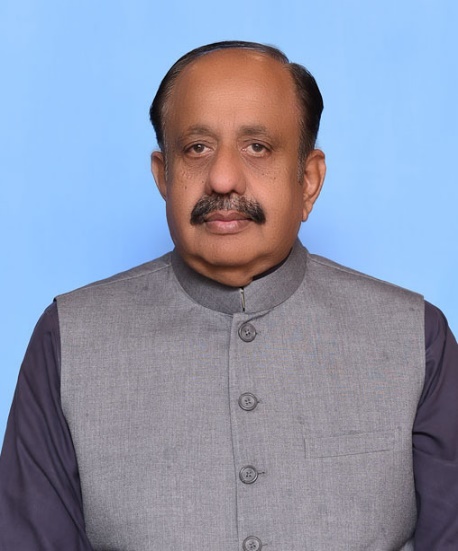
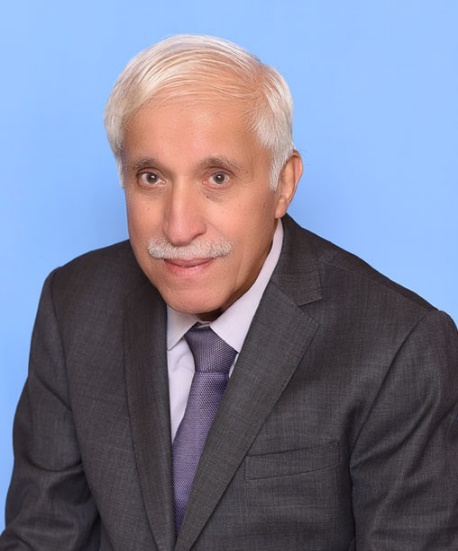
| Member | Constituency | Name (Party) |
|---|---|---|
|
NA-93 Chiniot-I | Ghulam Muhammad Lali (Independent) |
|
NA-94 Chiniot-II | Qaiser Ahmed Sheikh (PML-N) |
| Member | Constituency | Name (Party) |
|---|---|---|

|
PP-94 Chiniot-I | Taimoor Ali Lali (Independent) |
|
PP-95 Chiniot-II | Muhammad Ilyas Chinioti (PML-N) |
|
|
PP-96 Chiniot-III | Zulfiqar Ali Shah (PML-N) |

|
PP-97 Chiniot-IV | Saqib Khan (Independent) |
Chiniot faces critical gaps in healthcare layout, handling an underserved territory with just 0.31 beds per 1,000 citizens. Without a single tertiary care facility or medical university, complex cases, accidental traumas, and pediatric emergencies are persistently diverted across dangerous transit routes to Faisalabad, keeping the local infant mortality rate elevated at 58 deaths per 1,000 live births.
Despite localized urban pockets, the district-wide baseline literacy rate stands at a deficit of 55.05%, which drops dramatically to 45.19% for women. A sharp layout gap between primary schools and higher secondary institutions drives an out-of-school child pattern, with rural union councils showing numbers well over 22% in the secondary age tiers.
The regional economy relies disproportionately on traditional, unregistered carpentry, cottage furniture units, and seasonal agro-processing (sugar and textile mills). The lack of modern corporate frameworks, technical institutions, or digital commerce sectors leaves a general unemployment rate of 8.7%, driving a 13.9% child labor pattern into informal wood workshops and seasonal harvesting.
Rapid industrial runoff and unmonitored chemical discharge along the Chenab riverbed have systematically contaminated shallow aquifers. The crumbling legacy drainage setup leaves 42% of the district’s rural and sub-urban inhabitants without access to biologically safe public drinking water assets.
Localized ecosystem stress is high as toxic chemical effluents from surrounding textile processes and direct refuse dumping compromise the municipal boundaries. Recent sub-soil tests indicate that 16.2% of rural irrigation aquifers are heavily degraded by agrochemical seepage, rendering them entirely unfit for agricultural use.
Advanced structural layout cracking and severe surface erosion affect an average of 40% of secondary rural farm-to-market links, driven by inadequate infrastructure layouts that fail completely under the heavy axel-load weights of commercial freight trucks hauling finished furniture and seasonal sugarcane crops.